

















TRUSTED GLOBALLY

Android App Development for Small and Growing Businesses

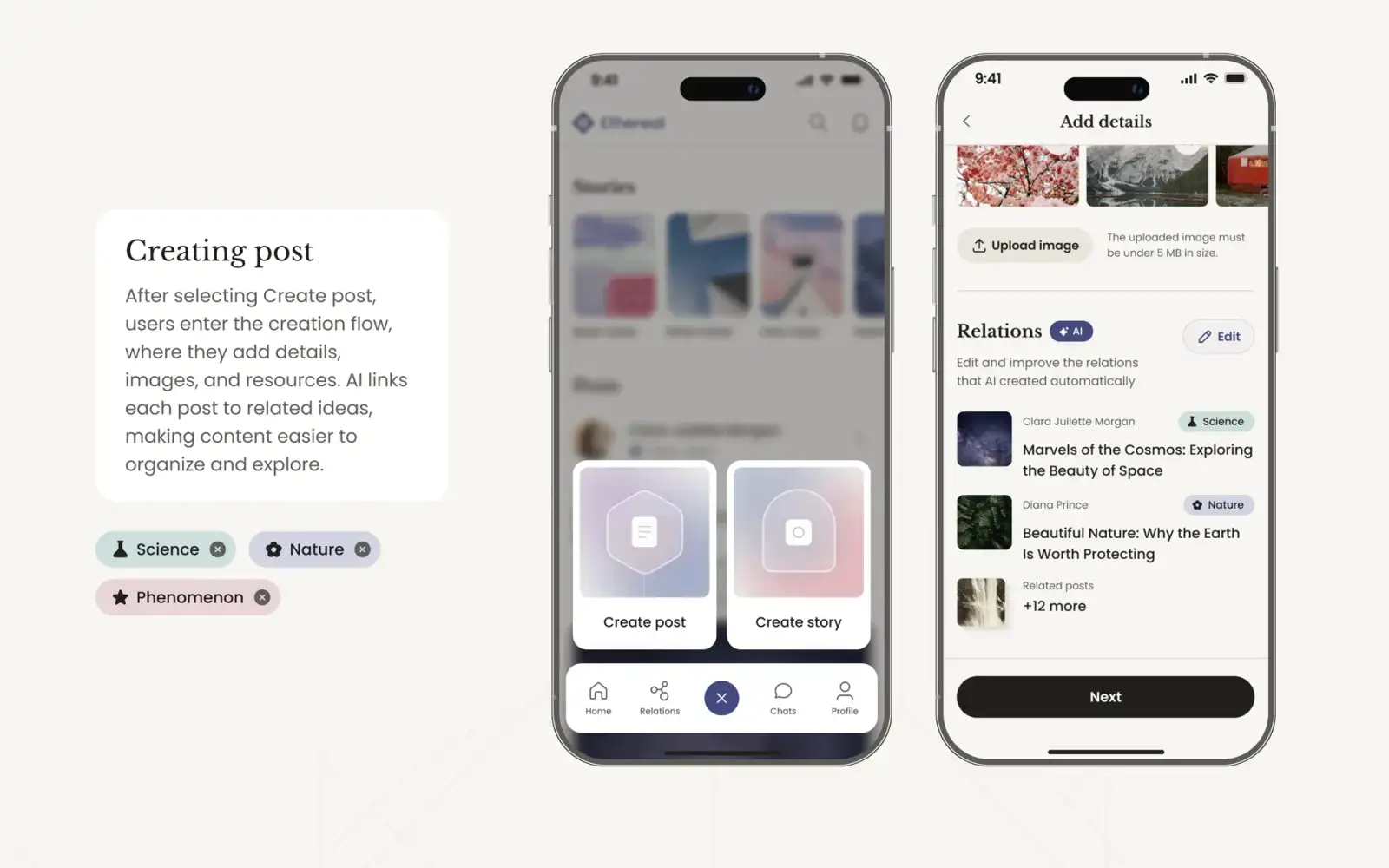
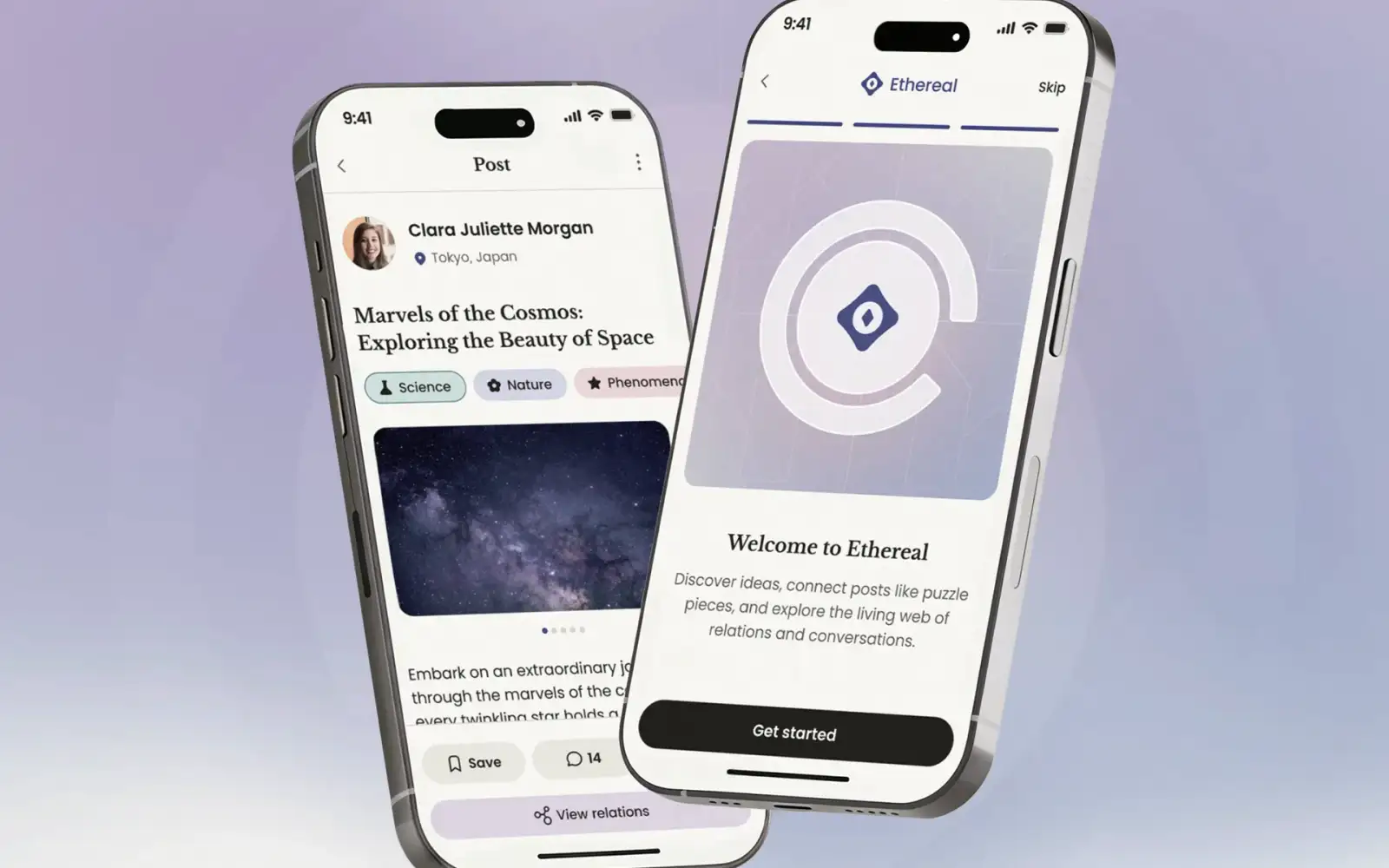
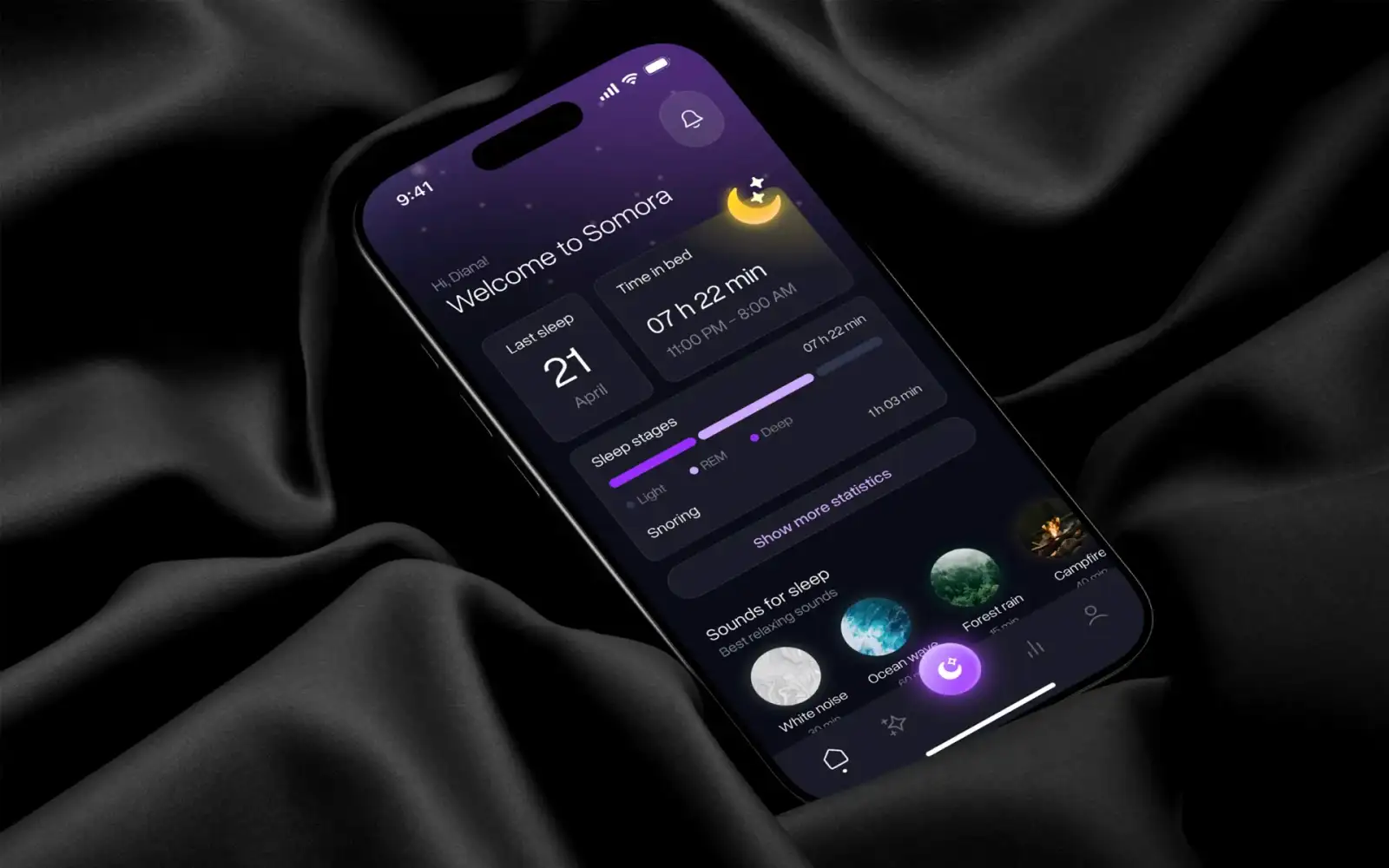
Native Android development serves different organizations for different reasons. A customer-focused business may need dependable access across a broad range of Android phones. Retail, logistics, service, and field operations may depend on scanning, location, notifications, offline work, dedicated devices, or tablet-based workflows. An enterprise may need secure employee access, managed distribution, identity integration, and clear ownership across technology and operations. 

Some of the organizations we work with
airtel
bcb
emtv
giet
good
jamba
lemarche
puma
secrett
talend
tmn
xedign
barista
cotton
fishbowl
giet-architecture
greenfair
juniper
linberg
roses
songeist
the-bermudian
uno

Influxive at a Glance

A global partner for what's next.

15+

Years of Experience

Deep expertise in enterprise technology and digital transformation.

500+

Projects Delivered

Across industries, platforms and markets.

12+

Countries Served

Trusted by growing businesses and global enterprises.

Global

Delivery Model

Flexible, collaborative and built for scale.

Experience Across Platforms

Web, mobile, commerce, cloud and application environments.

Agile Delivery

Iterative stages, regular reviews, continuous testing and visible decision points.

Trusted Worldwide

Organizations across 20+ countries, including Fortune 500 enterprises.

Full-Cycle Product Delivery

Business analysis, UI/UX design, engineering, testing and post-launch maintenance.

Reach Across Relevant Devices

Support selected phones, tablets, foldables, and business devices through a deliberate compatibility strategy.

Deeper Platform Integration

Use notifications, identity, location, cameras, scanning, and background work when they improve outcomes.

Adaptive Business Experiences

Respond to available window space instead of enlarging one handset layout across every device.

Flexible Distribution Models

Plan public release, controlled testing, and enterprise distribution around users, governance, and operations.

Direct Native Ownership

Use Kotlin and Android-native capabilities where behavior, performance, or maintainability justify focused delivery.

Android Problems Hidden Behind the Interface

When Android Apps Underperform

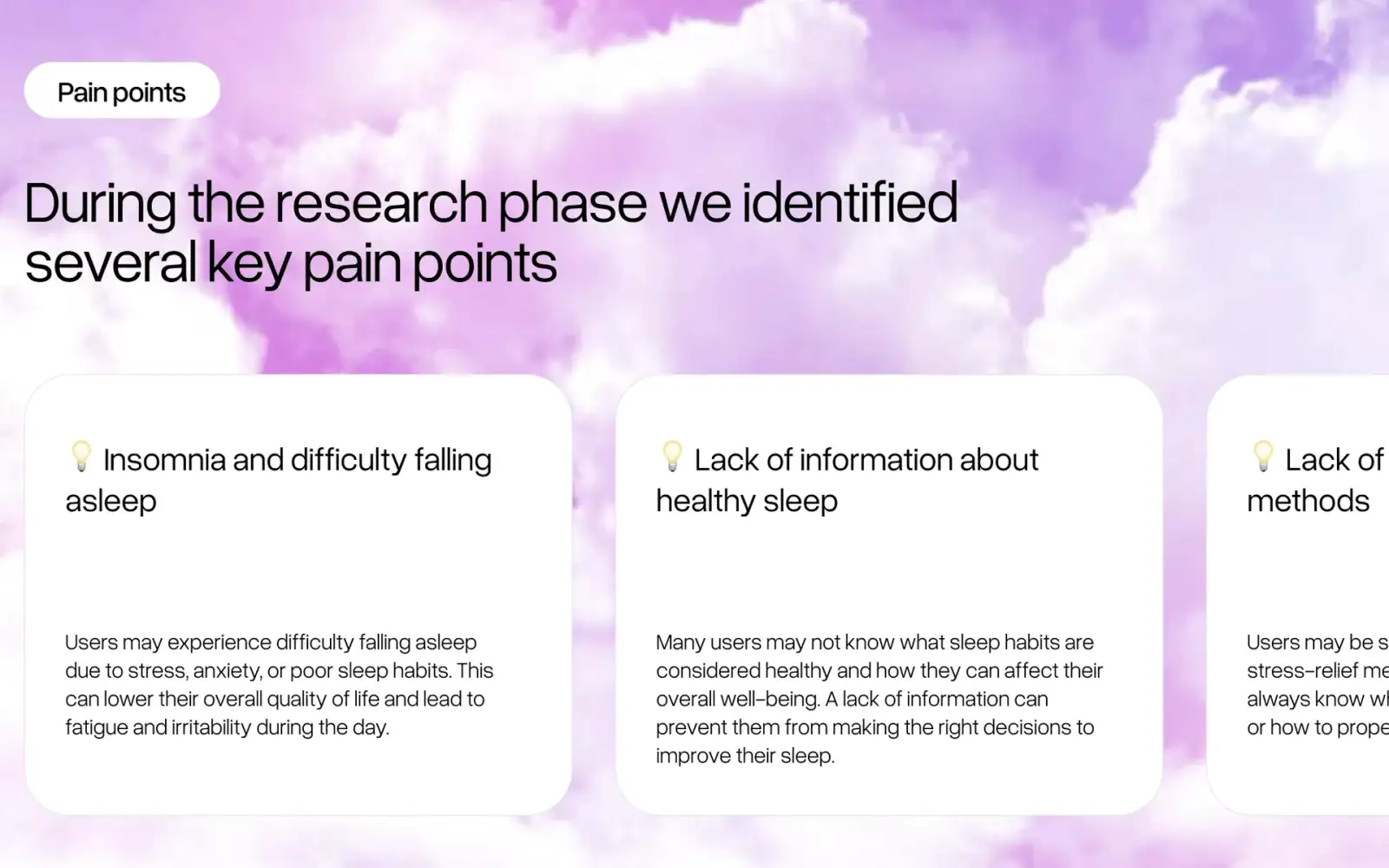
Android underperformance rarely comes from one screen or one defect. Device inconsistency, weak platform behavior, battery complaints, broken offline work, security delays, and difficult releases often share deeper causes. The visible symptom appears in the app, but the real issue may sit in device strategy, architecture, data synchronization, testing, dependency ownership, or release governance. These six patterns identify where Android product value is being lost before another feature or rebuild is funded.

The App Behaves Differently Across Devices

Problem: A journey works on the development team’s devices but breaks, clips, slows, or changes behavior elsewhere.

The Experience Feels Ported, Not Native

Problem: The application looks acceptable but navigation, back behavior, permissions, feedback, and common interactions feel unfamiliar to Android users.

Performance and Battery Use Undermine Trust

Problem: Startup is slow, screens hesitate, background activity drains battery, or the app consumes more data than users expect.

Offline and Backend Workflows Break

Problem: Users lose work, see stale information, create duplicate actions, or become blocked whenever connectivity changes.

Security and Device Trust Arrive Late

Problem: Permissions, authentication, storage, third-party libraries, and device-integrity decisions become blockers near release.

Ready to Solve These Challenges?

Tell us what is holding your business back, and we will help define a practical way forward.

Start a conversation
A Better Android App Creates Confidence Across Devices and Operations
Our Solution

The Influxive Approach

Influxive helps organizations move from isolated Android fixes to a product system that can be designed, released, and improved with greater confidence. We begin by defining the users, devices, operating conditions, and business behaviors the application must support. That coverage contract guides experience, architecture, testing, distribution, and support. 

Enterprise Android app development connects secure mobile workflows with identity, APIs, operational systems, offline requirements and controlled distribution. It gives users a more dependable Android experience, delivery teams clearer evidence, and the business a product it can operate responsibly. 


Device Fragmentation → Cross-Device Assurance

From Device Inconsistency to Adaptive Confidence

From Device Inconsistency to Adaptive Confidence

A defined device matrix, adaptive layouts, and real-device evidence create dependable experiences across relevant phones, tablets, foldables, orientations, and window sizes without pretending every device requires identical behavior.

Initial Downloads → Sustainable Engagement

From One-Time Installs to Useful Adoption

From One-Time Installs to Useful Adoption

Platform-aware onboarding, contextual permissions, reliable navigation, stable performance, and recurring product value create a clearer route from first installation to meaningful repeated use.

Isolated Views → Continuous Journeys

From Disconnected Screens to Resilient Workflows

From Disconnected Screens to Resilient Workflows

Local data, safe synchronization, recoverable states, reliable APIs, and operational integrations help users complete important work across changing connectivity without creating duplicate or untrusted records.

Deployment Anxiety → Continuous Maturity

From Release Risk to Android Product Evolution

From Release Risk to Android Product Evolution

Modular architecture, automated quality controls, dependency governance, observability, signing ownership, and staged releases make compatibility work and continuing improvement easier to plan and verify.

Android App Development Services

The Capabilities Required for a Dependable Android Product

Android delivery should not force every organization into the same engagement. A new product may need opportunity validation and device planning before development. An established application may need Kotlin modernization, adaptive tablet support, offline reliability, security improvements, or specialist capacity alongside an internal team. Influxive assembles Android app development services around the product’s current risk and next decision. Strategy establishes users, workflows, device conditions, value, and measures. 

Android Product Lifecycle08 / 08

Our End-to-End Android App Development

Focused Android work-stream

Request a Quote
Android Product Strategy capability
01

Android Product Strategy

02

Android UI/UX Design

03

Native Kotlin Development

04

Adaptive Device Experiences

05

Backend & API Integration

Backend & API Integration capability
06

Android App Modernization

07

Testing & Security

Testing & Security capability
08

Google Play & Support

An Android Decision-Gated Delivery Process

Resolve Device and Platform Risk Before Scaling the Build

Our Android app development process is organized around decisions that protect product value, device compatibility, operating reliability, and release ownership. Activities can overlap, but unresolved assumptions are not quietly carried into production.
Production scales after the Android product, device, and experience contract is defensible.

Define the Android Opportunity

We establish users, priority workflows, business value, adoption measures, operating conditions, existing evidence, and why native Android is appropriate. The first gate confirms the product case before feature scope expands.

Set the Device and Platform Contract

We define supported Android versions, phones, tablets, foldables, window sizes, orientations, hardware capabilities, connectivity conditions, accessibility needs, and enterprise-device requirements. This contract guides design, testing, and support.

Prove the Critical Adaptive Experience

We prototype Android navigation, back behavior, permissions, system feedback, offline states, and the most valuable journeys across relevant window sizes. Approval depends on usability and platform fit—not a single polished handset screen.

From native delivery to an Android product the organization can operate.

Build Complete Android Workflows

We develop modular journeys across the app, local data, APIs, identity, notifications, analytics, and operational systems. Demonstrations and acceptance criteria make working outcomes visible throughout delivery.

Prove Quality and Play Readiness

We validate function, adaptive behavior, accessibility, startup, interaction, memory, network, battery, security, compatibility, signing, store materials, analytics, support ownership, and staged-release controls before submission.

Operate Compatibility and Product Value

After release, we monitor crashes, performance, adoption, reviews, device conditions, support signals, dependencies, and Android changes. Evidence guides optimization, maintenance, and planned compatibility work.

Native Android Technology With a Clear Responsibility

An Android Stack Designed for Adaptability and Ownership

Influxive selects Android technologies after understanding the product’s users, device coverage, platform capabilities, offline needs, integrations, security profile, internal skills, and expected lifetime. Native engineering may use Kotlin, Android Studio, Gradle, Android SDK, and Java where legacy continuity requires it. Jetpack Compose, Material 3, AndroidX, Navigation, ViewModel, Coroutines, Flow, and dependency injection can support maintainable interfaces and architecture. Existing applications may adopt modern tools gradually rather than accepting an unnecessary full rewrite. Room, DataStore, WorkManager, local caching, and defined synchronization patterns can support persistent data and background work. 

REST or GraphQL APIs, Retrofit, OkHttp, OAuth, Firebase, maps, notifications, analytics, and selected Google services connect the product with wider operations. Quality and delivery may include JUnit, Espresso, Compose UI testing, Android Lint, accessibility checks, crash reporting, performance monitoring, Play Integrity, App Bundles, protected signing, CI/CD, testing tracks, and Play Console controls. The objective is not to publish the longest technology list. It is to create an Android system that remains adaptive, secure, observable, testable, and maintainable as devices, product requirements, and the platform change.

Android Engineering

Languages

  • Kotlin
  • Java

Build & Development Tooling

  • Android SDK
  • Android Studio
  • Gradle

UI Frameworks

  • Jetpack Compose
  • Android Jetpack

APIs and Data

API Protocols

  • REST APIs
  • GraphQL
  • WebSockets

Networking Clients

  • Retrofit
  • OkHttp

Data Resilience

  • Local Data Storage
  • Offline Synchronization

Platform Services

Google & Messaging Services

  • Firebase Cloud Messaging
  • Google Play Services
  • Google Maps

Device Capabilities

  • Camera
  • Biometrics
  • Location
  • Background Services

Quality and Monitoring

Automated Testing

  • JUnit
  • Espresso
  • UI Automator
  • Firebase Test Lab

Observability

  • Firebase Crashlytics
  • Performance Monitoring
Why Influxive

Android Decisions Made Around Product Reality

A dependable Android application begins before code. It requires a clear product case, an intentional device strategy, platform-aware experience decisions, and ownership of the systems and releases behind the interface. Influxive connects these decisions so teams do not discover critical Android constraints after the roadmap, design, or architecture has already been fixed. Custom Android app development is appropriate when workflows, devices, integrations or operating conditions cannot be served by a standard application pattern.

Selected work

Success stories built for measurable growth

Case study 01

Task Management Website and Mobile App Development for Grapple Task Management System

A focused digital engagement designed to improve customer experience, operational performance and sustainable growth.

Grapple Task Management System
01/04

Looking for a dependable technology partner?

Start a conversation
Results That Matter

Business Outcomes and Measurement

  • Task CompletionAssess whether users can complete important tasks accurately and without unnecessary effort.
  • Journey ProgressionReview how effectively users move between key stages without confusion, hesitation or avoidable abandonment.
  • Accessibility FindingsTrack identified accessibility barriers and verify that agreed improvements work for people with different needs.
  • Support RequestsMonitor whether clearer journeys and interfaces reduce repeated questions and avoidable requests for assistance.
  • Design-System AdoptionMeasure how consistently teams reuse approved components, patterns and guidance across new product work.
  • Cross-Product ConsistencyCompare related products and channels to identify meaningful differences in navigation, terminology and interaction behavior.
  • Implementation QualityReview released interfaces against approved designs, responsive requirements, accessibility criteria and documented interaction states.
  • Time and EffortAssess how long important tasks take and where unnecessary steps increase effort for customers or employees.
  • Defects and ReworkTrack interface defects, repeated corrections and implementation rework to identify gaps in design and delivery.
Implementation Standards

Principles That Protect Android Product Quality

  1. Android First, Not Ported Later

    Navigation, lifecycle behavior, permissions, system feedback, keyboard handling, notifications, and Android user expectations are considered from the beginning—not added after another platform is approved.

  2. Adapt, Do Not Stretch

    Interfaces respond to available window space, orientation, device posture, and relevant input methods instead of enlarging one handset layout across every form factor.

  3. Connectivity Failure Is Expected

    Offline, retry, synchronization, conflict, and recovery behavior are designed as normal product states wherever users must continue useful work through unstable connectivity.

  4. Permissions Must Earn Trust

    Permission requests appear in context, explain the user value, support refusal gracefully, and collect no more access than the product genuinely requires.

  5. Performance Uses Real Conditions

    Startup, interaction, memory, network, battery, and background behavior are reviewed across relevant devices and connectivity—not only emulators and premium development phones.

  6. Compatibility Is Product Ownership

    Android changes, dependencies, signing, target requirements, monitoring, testing tracks, and release responsibilities remain visible parts of the continuing product roadmap.

International Android Product Delivery

Android Applications Prepared for Regional Device and Operating Realities

Influxive supports organizations building Android products for one market or many. Our distributed delivery model connects business, product, design, Android engineering, backend, quality, security, and release stakeholders while keeping decisions visible across locations and time zones. International Android delivery is not simply translation. Markets can differ in device capability, operating-system adoption, manufacturer mix, screen sizes, connectivity, data costs, languages, privacy expectations, identity, payments, Google service availability, enterprise-device policies, store listings, and customer support. These differences should influence device coverage, adaptive design, offline behavior, integrations, testing, distribution, and monitoring before release. Influxive can work with product teams across the United States, Canada, the United Kingdom, Europe, the Middle East, Singapore, and Australia. 

Serving Globally

North America

Europe

Middle East

Asia-Pacific

Australia & New Zealand

Influxive global delivery locationsA world map showing direct connections from Delhi NCR to primary commercial hubs.
Explore Services by Location

Global expertise, delivered locally.

USA
  • New York
  • San Francisco
  • Seattle
Canada
  • Toronto
  • Vancouver
United Kingdom
  • London
  • Manchester
  • Hamilton
France
  • Paris
Switzerland
  • Zürich
Sweden
  • Stockholm
Finland
  • Helsinki
India
  • Delhi NCR
Singapore
  • Singapore
Australia
  • Sydney
  • Melbourne
New Zealand
  • Auckland
UAE
  • Dubai
  • Abu Dhabi

Frequently Asked Questions

Everything you need to know before getting started.

Average response time

24 Hours

Project consultation

Free

Enterprise-ready

✓ Trusted Delivery

We combine automated checks, emulators, cloud device testing where appropriate, and selected physical devices based on the agreed coverage plan. Testing can include function, adaptive layouts, accessibility, performance, battery, network conditions, permissions, security, operating-system versions, and manufacturer behavior. Production monitoring then reveals conditions that laboratory testing cannot reproduce.

Yes. Android applications can connect with identity, CRM, ERP, payments, content, analytics, support, and custom platforms through governed APIs and integration services. We define data ownership, authentication, synchronization, failure handling, monitoring, and offline behavior so the app can complete the underlying business workflow reliably.

Yes, when those devices are part of a deliberate product and testing strategy. Adaptive layouts respond to available window space instead of stretching one phone design. We define relevant form factors, postures, orientations, input methods, and workflows so each supported environment provides a useful experience rather than identical screens.

Yes. We assess product relevance, architecture, Java and Kotlin code, dependencies, device behavior, security, performance, test coverage, integrations, signing, and release operations. Modernization may involve targeted remediation, module replacement, platform upgrades, adaptive redesign, gradual Kotlin adoption, or a controlled rebuild based on risk and continuity.

Yes. Kotlin is a primary language for modern native Android development and can work with Jetpack Compose and the wider Android ecosystem. Existing Java applications do not always require a full rewrite. We assess modules, dependencies, risk, and business continuity before recommending gradual Kotlin adoption, targeted modernization, or replacement.

Choose native Android when platform-specific behavior, device capabilities, adaptive experiences, demanding performance, or a dedicated Android roadmap justify focused delivery. React Native may be appropriate when meaningful code sharing benefits both platforms without weakening critical behavior. We compare product needs, team capability, risk, release cadence, and lifecycle ownership.
A focused initial Android product may take several weeks, while an enterprise application with adaptive screens, offline workflows, complex systems, security requirements, and broad device testing requires a longer program. The reliable timeline depends on product evidence, scope, dependencies, content, stakeholder decisions, and release readiness—not screen count alone.
Cost depends on product scope, device coverage, experience complexity, native capabilities, offline behavior, backend integrations, security, modernization needs, testing, and distribution. Influxive reduces estimation risk by clarifying the Android product and device contract first, then structuring delivery around explicit assumptions, stages, responsibilities, and acceptance criteria.
Native Android development is appropriate when the product needs deeper platform behavior, specialized device access, adaptive form-factor support, demanding performance, complex offline workflows, or a dedicated Android roadmap. Native delivery is not automatically better for every project. We compare requirements, ownership, risk, and lifecycle cost before recommending it.
An Android app development company can help define the product, plan supported devices, design Android-specific experiences, build native Kotlin applications, integrate APIs and business systems, test quality, prepare Google Play releases, and support compatibility after launch. Influxive connects these activities around measurable user and business outcomes.
Build Beyond One Android Screen

Build Android Products for Reality

Discuss the users, devices, workflows, integrations, security, and release responsibilities that should shape your Android investment.

Start Your Digital Journey

If your organization depends on digital platforms for operations, communication, and compliance readiness, it is worth discussing how those systems are structured.

5.0(200 reviews)
Trusted Standards

Industry Recognition & Technology Excellence

Influxive AI Labs is committed to delivering secure, scalable, and high-level digital solutions that align with global quality standards, governance principles, and technology best practices. Our focus on continuous improvement and innovation helps organizations build reliable digital systems with confidence.
Stevie
belfast
clutch
google
juniper
learning
meta
microsoft
rating
shopify
women
Stevie
belfast
clutch
google
juniper
learning
meta
microsoft
rating
shopify
women
LET'S BUILD THE FUTURE TOGETHER
Head Office

Influxive AI Labs Private Limited
New Delhi NCR, India
Business Hours

Monday – Friday
9:00 AM – 6:00 PM (IST)
  Contact

Sales
sales@influxive.com
Phone

India
+91 98106 70506